
Primerose Medical P.C.

Chronic Conditions

pills in the hands of an old woman, top view.

Taking Multiple Medications? A Simple System to Stay Safe (For Adults, Seniors and Caregivers)

When you take several medications, it’s easy to lose track of what is for what, when to take it and whether anything clashes. If you care for a parent or spouse, the responsibility can feel heavy. A simple system takes away most of that worry. Book a medication review with Dr. Bolaji or call (631) 486-4834. Why it matters Taking five or more medicines is often called polypharmacy, and it is common as we age and manage several conditions. The more you take, the higher the chance of side effects, missed doses and interactions. Many problems are preventable with good organization and regular review. Step 1: Keep one up-to-date list Write down every medication, including over-the-counter products, vitamins and supplements. For each one, note: The name and dose What it is for How and when to take it Who prescribed it Keep a copy in your wallet or phone and bring it to every appointment, including emergency visits. Step 2: Use one pharmacy when you can A single pharmacy can spot interactions across all your prescriptions. Tell your pharmacist about everything you take, and ask them any questions you have. Step 3: Build a routine Use a weekly pill organizer and fill it at the same time each week Tie doses to daily habits, such as breakfast or brushing your teeth Set phone alarms, or ask a family member to check in Keep medications in their original bottles or in a clearly labeled organizer, away from children and pets Step 4: Ask three questions about every new medicine What is it for, and how long will I take it? What side effects should I watch for? Does it interact with anything else I take? Step 5: Get a “brown bag” review Once a year, or after any hospital stay, bring all your medicines in a bag to your doctor. This lets them check for duplicates, outdated prescriptions and interactions, and decide whether anything can be simplified. It is a good use of your annual checkup. Safety rules to remember Never stop, skip or change a dose without talking to your doctor Never share prescriptions Check with your doctor or pharmacist before adding supplements or herbal products Be careful with alcohol, which can interact with many medicines Dispose of old or expired medicines safely, using a pharmacy take-back option Call your doctor if you notice New dizziness, falls, confusion or unusual sleepiness Stomach upset, rash or swelling after starting a medicine You can’t afford or can’t remember to take a medicine Call 911 for signs of a severe reaction, such as trouble breathing, swelling of the face or throat, or chest pain. For caregivers If you manage medications for someone else, ask to come to their appointments, keep the list yourself, and make sure the doctor knows who helps. It’s also worth reading our year-end checklist: 8 things to do before December 31. Ongoing care at Primerose Medical P.C. We provide ongoing care and chronic condition management, with time to review your whole medication list. Frequently asked questions Can I take my medicines together? Often yes, but some combinations are a problem. Ask your doctor or pharmacist. What if I miss a dose? Instructions differ for each medicine, so check the label or ask your pharmacist. Don’t double up unless you are told to. Can the list be shortened? Sometimes. Your doctor can review whether each medicine is still needed, but never stop one by yourself. Want help organizing your medications? Book an appointment online or call (631) 486-4834. This article is for general education and is not a substitute for personal medical advice.
Taking Multiple Medications? A Simple System to Stay Safe (For Adults, Seniors and Caregivers) Read More »

premium photo 1661440316279 8a3c84015bb7

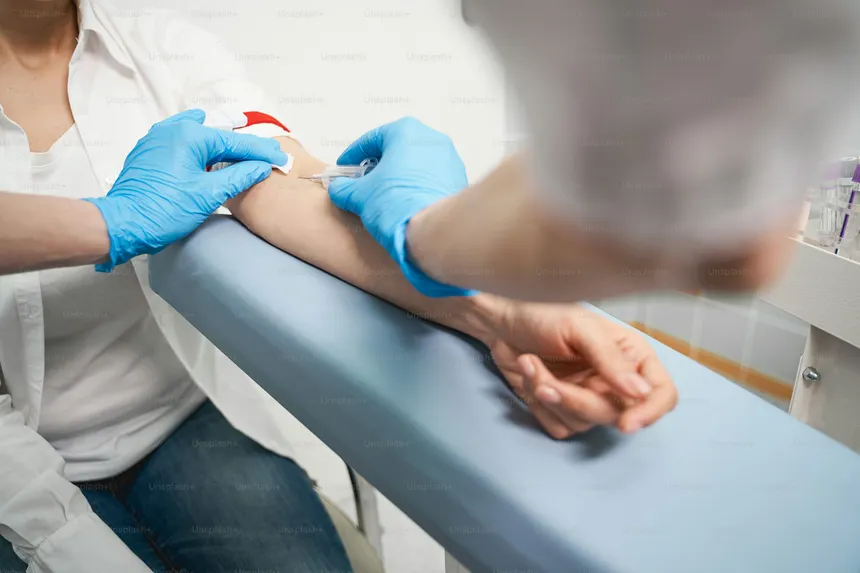
High Cholesterol: What Your Numbers Mean and When to Get Checked in Commack, NY

High cholesterol rarely causes symptoms, so many people only find out through a blood test. Because it can raise the risk of heart disease and stroke over time, it is worth knowing your numbers. Here is what they mean and when to get checked. Book a checkup with Dr. Bolaji What is cholesterol? Cholesterol is a waxy substance your body needs to build cells. Problems begin when levels of certain types get too high. Extra cholesterol can build up in the walls of your arteries, narrowing them over time. The numbers on your lipid panel Total cholesterol. The overall amount in your blood. A level below 200 mg/dL is generally considered desirable. LDL (“bad”) cholesterol. The type that can build up in artery walls. Lower is generally better, and your goal depends on your overall risk. HDL (“good”) cholesterol. Helps remove cholesterol from the blood. Higher is generally better. Triglycerides. Another type of blood fat. A level below 150 mg/dL is generally considered normal. Your doctor interprets these numbers alongside your age, blood pressure, family history and other risks, so your personal targets may differ. Who may be at higher risk? People with a family history of high cholesterol or early heart disease Adults with diabetes or prediabetes. Read our guide on diabetes and prediabetes. People with high blood pressure. See high blood pressure signs and risks. Anyone who is overweight, smokes or isn’t very active Adults whose diet is high in saturated fat and heavily processed food When to get tested Many adults should have cholesterol checked beginning in early adulthood, then every few years. You may need testing more often if you have risk factors or a past abnormal result. Your doctor will recommend a schedule that fits you. Habits that can help Choose more vegetables, fruit, whole grains, beans and fish, and less fried and heavily processed food Limit saturated and trans fats Stay active on most days Maintain a healthy weight. See 8 medical reasons weight loss can stall. Avoid tobacco and limit alcohol Some people also need medication, even with healthy habits. Don’t start or stop any medication without talking to your doctor. When to get medical help right away Chest pain, pressure, trouble breathing, or signs of a stroke such as face drooping, arm weakness or slurred speech are emergencies. Call 911. High cholesterol itself does not cause these warning signs until a problem has already developed. Cholesterol care at Primerose Medical P.C. We provide evaluation and ongoing management for chronic conditions, including cholesterol, blood pressure and diabetes. A lipid panel can be part of your annual checkup, so ask about it at your next visit. Frequently asked questions Can I have high cholesterol and feel fine? Yes. It usually causes no symptoms, which is why testing is the only way to know. Do I need to fast before a cholesterol test? Not always. Your doctor will tell you whether fasting is needed for your test. Can I lower cholesterol without medication? Many people improve their numbers with diet, activity and weight management. Some also need medication, and your doctor can help you decide. Want to know your cholesterol numbers? Book an appointment online or call (631) 486-4834. This article is for general education and is not a substitute for personal medical advice.

High Cholesterol: What Your Numbers Mean and When to Get Checked in Commack, NY Read More »

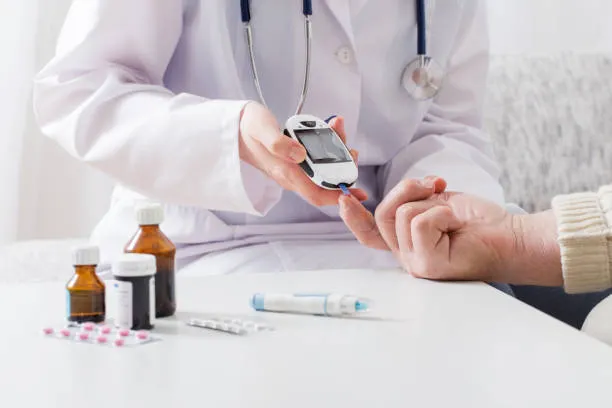
measuring blood sugar

Diabetes and Prediabetes: Signs, Risks and When to Get Tested in Commack, NY

November is American Diabetes Month, which makes it a good time to check in on your own risk. Millions of adults have prediabetes or diabetes and don’t know it, because early blood sugar problems often cause no symptoms. Here is what to watch for and when to get tested. Book a checkup with Dr. Bolaji What is the difference between prediabetes and diabetes? Prediabetes means your blood sugar is higher than normal but not yet high enough to be called diabetes. Diabetes means your body can’t manage blood sugar properly over time. The good news is that prediabetes can often be reversed or delayed with healthy changes, which is why finding it early matters. Common signs of diabetes Increased thirst and frequent urination Unusual tiredness Blurred vision Cuts or sores that heal slowly Tingling or numbness in the hands or feet Frequent infections Many people have none of these signs, especially with prediabetes. That is why testing matters more than waiting for symptoms. Who is at higher risk? Adults who are overweight or have obesity People with a parent or sibling with diabetes Adults over 35, and risk rises with age People with high blood pressure or high cholesterol. See our guide on high blood pressure. People who are not very physically active Women who had diabetes during pregnancy How testing works Diabetes and prediabetes are diagnosed with simple blood tests. The most common are: A1C test. Shows your average blood sugar over the past two to three months. An A1C below 5.7 percent is considered normal, 5.7 to 6.4 percent suggests prediabetes, and 6.5 percent or higher suggests diabetes. Fasting blood glucose. Measures your blood sugar after you have not eaten for at least 8 hours. Your doctor will decide which tests you need and how often, based on your age, weight and risk factors. Many adults are advised to be screened beginning around age 35, or earlier if they have risk factors. Habits that can lower your risk Aim for steady movement, such as about 150 minutes a week of brisk walking or similar activity Choose more vegetables, whole grains and lean protein, and fewer sugary drinks and heavily processed foods If you carry extra weight, even a modest loss can help. Research suggests losing 5 to 7 percent of body weight can lower diabetes risk in people with prediabetes. Read 8 medical reasons weight loss can stall. Get enough sleep and manage stress Avoid tobacco When to see a doctor You have any of the symptoms above You have risk factors and haven’t been tested in the past year You have a family history of diabetes You were told in the past that your blood sugar was “borderline” Seek urgent medical care if you have extreme thirst, repeated vomiting, confusion or trouble breathing. If it feels like an emergency, call 911. Diabetes care at Primerose Medical P.C. We provide evaluation and long-term management for chronic conditions such as diabetes, high blood pressure, asthma and thyroid conditions. Testing can be part of your annual checkup, so ask about it at your next visit. Frequently asked questions Can prediabetes be reversed? Many people can lower their blood sugar with healthy changes, sometimes back into the normal range. Your doctor can help you set a plan. Do I need to fast before a diabetes test? An A1C test doesn’t require fasting. A fasting glucose test does. Ask when you book. How often should I be tested? It depends on your results and risk factors. Your doctor will recommend a schedule for you. Want to find out where you stand? Book an appointment online or call (631) 486-4834. This article is for general education and is not a substitute for personal medical advice.

Diabetes and Prediabetes: Signs, Risks and When to Get Tested in Commack, NY Read More »

navy stethoscope and blood pressure set

High Blood Pressure: Signs, Risks, and When to See a Doctor in Commack

High blood pressure, also called hypertension, affects millions of adults. Because it often causes no symptoms, many people don’t know they have it until a routine visit. Here is what to know and when to get checked. Why high blood pressure matters When blood pressure stays high over time, it puts extra strain on your heart and blood vessels. Over the years this can raise the risk of heart disease, stroke, kidney problems and vision problems. The good news is that it can be managed, especially when it is found early. Is it called the “silent” condition? Yes. Most people with high blood pressure feel fine. That is why regular checks matter more than waiting for symptoms. In rare cases, very high readings may come with headaches, chest pain, shortness of breath or vision changes. What the numbers mean Normal: usually below 120/80 Elevated or high: readings that stay at or above 130/80 are generally considered high under current U.S. guidelines Very high: a reading above 180/120, especially with chest pain, shortness of breath, weakness or trouble speaking, is an emergency. Call 911. One high reading doesn’t mean you have hypertension. Your doctor looks at readings over time. Habits that can help Eat more vegetables, fruit and whole grains, and cut back on salt and processed food Stay active on most days, in ways that suit you Keep a healthy weight Limit alcohol and avoid tobacco Manage stress and get enough sleep Take your medications exactly as prescribed When to see a doctor You haven’t had your blood pressure checked in the past year You have a family history of high blood pressure, heart disease or stroke Your home readings are often above 130/80 You have diabetes, kidney disease or high cholesterol Blood pressure care at Primerose Medical P.C. We provide evaluation and long-term management for hypertension, diabetes, asthma, thyroid conditions and more. Learn about our chronic condition care and ongoing care, or schedule your annual checkup, which always includes a blood pressure check. Frequently asked questions Can high blood pressure be treated? Yes. Many people control it with lifestyle changes, medication or both. Your doctor will build a plan for you. How often should I check my blood pressure? At least once a year at a checkup. If you have high blood pressure, your doctor may suggest checking it at home as well. Want your blood pressure checked in Commack? Book an appointment online or call (631) 486-4834. This article is for general education and is not a substitute for personal medical advice.

High Blood Pressure: Signs, Risks, and When to See a Doctor in Commack Read More »

Verified by MonsterInsights