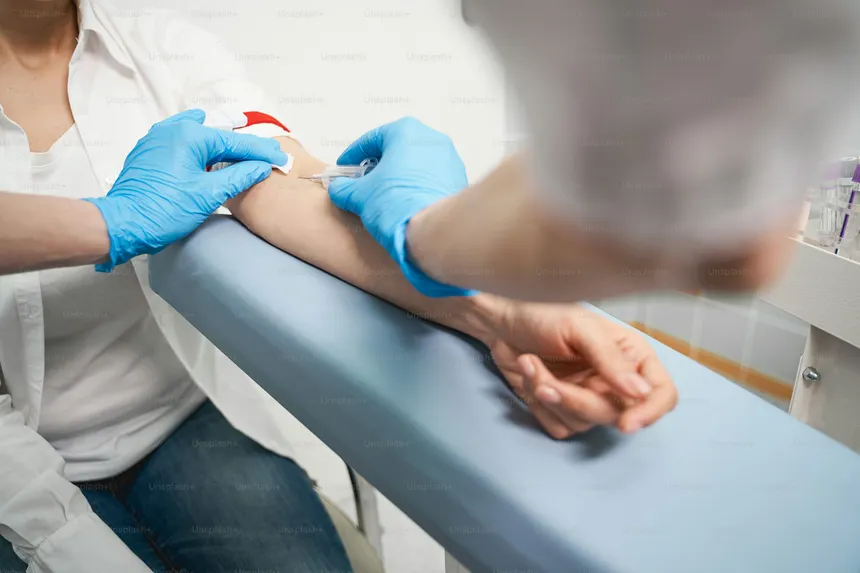
High cholesterol rarely causes symptoms, so many people only find out through a blood test. Because it can raise the risk of heart disease and stroke over time, it is worth knowing your numbers. Here is what they mean and when to get checked.
Book a checkup with Dr. Bolaji
What is cholesterol?
Cholesterol is a waxy substance your body needs to build cells. Problems begin when levels of certain types get too high. Extra cholesterol can build up in the walls of your arteries, narrowing them over time.
The numbers on your lipid panel
- Total cholesterol. The overall amount in your blood. A level below 200 mg/dL is generally considered desirable.
- LDL (“bad”) cholesterol. The type that can build up in artery walls. Lower is generally better, and your goal depends on your overall risk.
- HDL (“good”) cholesterol. Helps remove cholesterol from the blood. Higher is generally better.
- Triglycerides. Another type of blood fat. A level below 150 mg/dL is generally considered normal.
Your doctor interprets these numbers alongside your age, blood pressure, family history and other risks, so your personal targets may differ.
Who may be at higher risk?
- People with a family history of high cholesterol or early heart disease
- Adults with diabetes or prediabetes. Read our guide on diabetes and prediabetes.
- People with high blood pressure. See high blood pressure signs and risks.
- Anyone who is overweight, smokes or isn’t very active
- Adults whose diet is high in saturated fat and heavily processed food
When to get tested
Many adults should have cholesterol checked beginning in early adulthood, then every few years. You may need testing more often if you have risk factors or a past abnormal result. Your doctor will recommend a schedule that fits you.
Habits that can help
- Choose more vegetables, fruit, whole grains, beans and fish, and less fried and heavily processed food
- Limit saturated and trans fats
- Stay active on most days
- Maintain a healthy weight. See 8 medical reasons weight loss can stall.
- Avoid tobacco and limit alcohol
Some people also need medication, even with healthy habits. Don’t start or stop any medication without talking to your doctor.
When to get medical help right away
Chest pain, pressure, trouble breathing, or signs of a stroke such as face drooping, arm weakness or slurred speech are emergencies. Call 911. High cholesterol itself does not cause these warning signs until a problem has already developed.
Cholesterol care at Primerose Medical P.C.
We provide evaluation and ongoing management for chronic conditions, including cholesterol, blood pressure and diabetes. A lipid panel can be part of your annual checkup, so ask about it at your next visit.
Frequently asked questions
Can I have high cholesterol and feel fine?
Yes. It usually causes no symptoms, which is why testing is the only way to know.
Do I need to fast before a cholesterol test?
Not always. Your doctor will tell you whether fasting is needed for your test.
Can I lower cholesterol without medication?
Many people improve their numbers with diet, activity and weight management. Some also need medication, and your doctor can help you decide.
Want to know your cholesterol numbers? Book an appointment online or call (631) 486-4834.
This article is for general education and is not a substitute for personal medical advice.